Private Label Sauna: Cost, MOQ and Profit Explained
The global wellness industry is evolving rapidly, and saunas have become one of the fastest-growing product categories in home recovery, fitness, and luxury lifestyle markets. From athletes and fitness enthusiasts to spa owners and Airbnb hosts, more consumers are investing in personal wellness equipment than ever before. As a result, private label sauna businesses are attracting increasing attention from distributors, wholesalers, eCommerce brands, gyms, and wellness startups.
For importers and brand owners, private label saunas offer an opportunity to enter a high-margin market without building a factory from scratch. By partnering with an experienced manufacturer, businesses can launch customized sauna products under their own brand while focusing on marketing, sales, and customer relationships.
At Recover Case, we help global buyers develop portable sauna solutions, recovery equipment, and wellness products for both online and offline markets. Whether you are launching your first wellness brand or expanding an existing product line, understanding sauna costs, MOQ requirements, and profit potential is essential before entering the market.
This guide explains everything importers and distributors need to know about private label sauna manufacturing.
Why Private Label Saunas Are Growing Fast
The wellness and recovery market has experienced significant growth over the past few years. Home saunas are no longer limited to luxury hotels or professional spas. Consumers now actively seek compact, affordable, and portable sauna solutions for home use.
Several factors are driving this trend:
Rising interest in health and recovery
Growth of home fitness and home spa culture
Increased awareness of stress reduction and detoxification
Social media influence from athletes and wellness influencers
Expansion of eCommerce wellness brands
Many manufacturers now support OEM and ODM sauna production for international brands. Some factories even specialize in low-MOQ private label solutions for startups and distributors.
Portable sauna pods and foldable sauna systems are especially popular because they require less installation space and are easier to ship internationally. This creates strong opportunities for importers targeting Amazon, Shopify stores, fitness retailers, recovery studios, and wellness chains.
What Is a Private Label Sauna?
A private label sauna is a sauna product manufactured by one company but sold under another company’s brand name.
Instead of investing in factory equipment, engineering teams, and production facilities, buyers work with an OEM/ODM manufacturer that handles production. The buyer focuses on branding, packaging, marketing, and distribution.
Typical customization options include:
Private label manufacturing allows businesses to enter the sauna market faster while reducing operational risks.
Types of Saunas Commonly Used for Private Label Business
Understanding product categories helps buyers select the right target market.
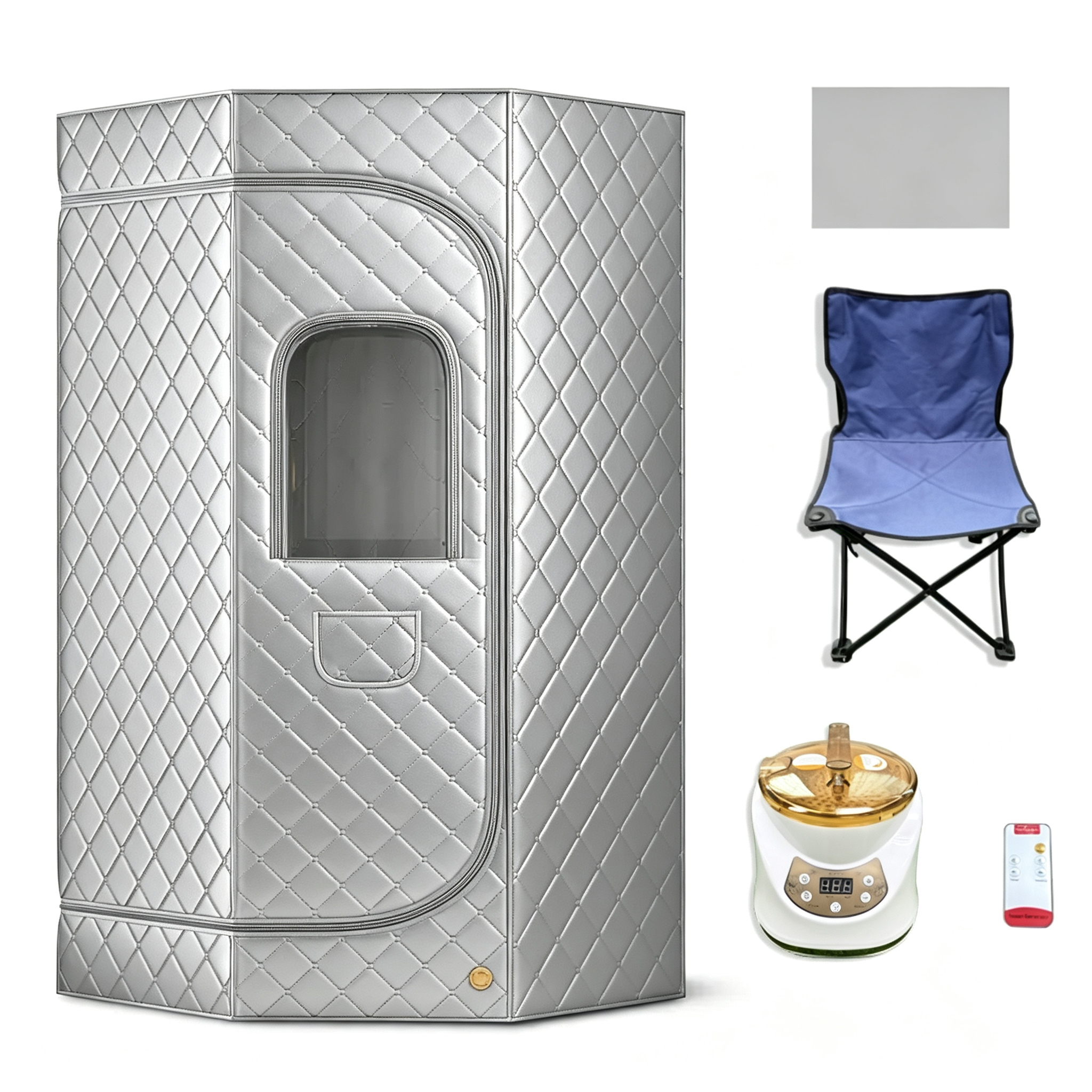
1. Portable Steam Saunas
Portable steam saunas are among the most affordable and beginner-friendly wellness products. They usually include:
Foldable sauna tent
Steam generator
Portable chair
Remote control
Timer settings
These products are highly popular for:
Portable saunas are lightweight, easy to ship, and require relatively low MOQ.
At Recover Case, portable recovery and sauna products are designed specifically for international wholesale buyers seeking flexible customization and scalable supply solutions.
2. Infrared Saunas
Infrared saunas use infrared heating panels rather than traditional steam heat.
These products are positioned as premium wellness equipment and are often marketed for:
Muscle recovery
Relaxation
Fitness recovery
Luxury home wellness
Infrared sauna manufacturing usually requires:
Many established OEM sauna manufacturers now offer full-spectrum infrared sauna customization for global wellness brands.
3. Outdoor Barrel Saunas
Outdoor barrel saunas are luxury products commonly used for:
Although these products offer high profit margins, they involve:
Higher shipping costs
Larger MOQ
More complex logistics
This category is more suitable for experienced importers or established distributors.
Private Label Sauna Cost Breakdown
One of the biggest questions buyers ask is:
“How much does it cost to launch a private label sauna brand?”
The answer depends on product type, customization level, certifications, packaging, and order quantity.
Below is a realistic breakdown.
1. Product Manufacturing Cost
The base production cost varies greatly depending on sauna type.
Portable Steam Sauna
Estimated wholesale cost:
Factors affecting price:
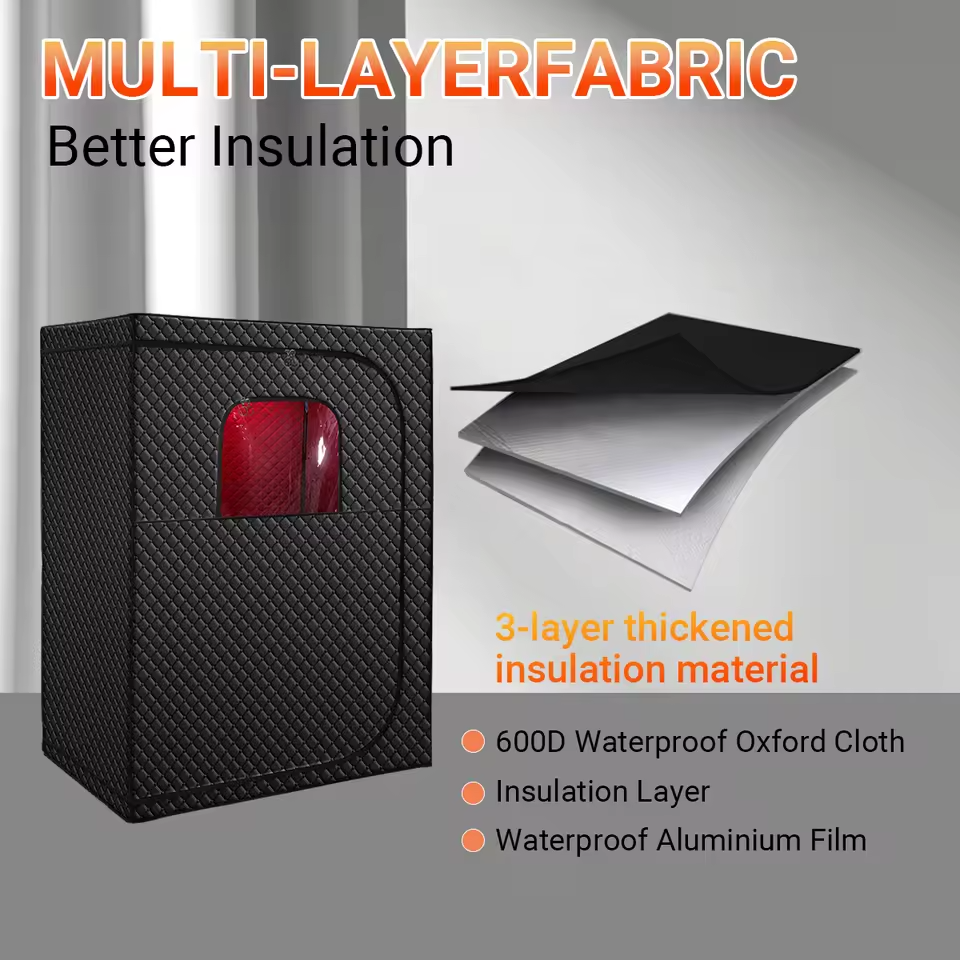
Fabric quality
Steam generator power
Accessories included
Remote controls
Foldable frame quality
Infrared Sauna
Estimated wholesale cost:
Factors affecting price:
Wood type
Heating panel quality
EMF technology
Audio systems
Smart controls
Capacity size
Outdoor Sauna
Estimated wholesale cost:
Factors affecting price:
Cedar or hemlock wood
Roofing system
Glass panels
Electrical systems
Installation complexity
2. Logo and Branding Costs
Most OEM factories charge additional fees for:
Logo printing
Custom manuals
Packaging design
Barcode stickers
Color boxes
Typical costs:
Some manufacturers waive branding fees for higher-volume buyers.
3. Certification Costs
For international markets, certifications are extremely important.
Common certifications include:
Certification costs can range from:
Portable steam saunas usually require fewer certifications than infrared systems.
Some established manufacturers already have certified models available, reducing buyer costs.
4. Packaging Costs
Strong export packaging is critical because sauna products are often bulky and fragile.
Packaging costs include:
Cartons
Foam protection
Wooden crates
Pallets
Instruction manuals
Improved packaging reduces damage claims and improves customer satisfaction.
5. Shipping and Logistics
Shipping can become one of the largest expenses in sauna importing.
Factors affecting freight cost:
Product dimensions
Destination country
Shipping method
Seasonal freight rates
Customs duties
Portable saunas are easier and cheaper to transport compared to wooden saunas.
This is one reason portable recovery equipment continues to gain popularity among wholesalers and eCommerce sellers.
What Is the Typical MOQ for Private Label Saunas?
MOQ stands for Minimum Order Quantity.
MOQ depends on:
Product complexity
Customization level
Manufacturing process
Packaging requirements
Portable Sauna MOQ
Portable sauna products often support lower MOQs.
Typical MOQ:
Some factories even support sample orders for testing new markets.
Recover-focused manufacturers increasingly provide flexible MOQ solutions for small and medium-sized buyers entering the wellness market.
Infrared Sauna MOQ
Infrared saunas usually require:
Higher costs and more complicated production processes make small orders less economical.
Custom ODM Sauna MOQ
Fully customized sauna projects may require:
This applies to:
New molds
Exclusive designs
Customized electronics
Structural redesigns
How Much Profit Can You Make Selling Private Label Saunas?
Saunas are considered high-margin wellness products.
Profit depends on:
Example Profit Margins
Portable Steam Sauna
Estimated landed cost:
Typical retail price:
Potential gross margin:
Infrared Sauna
Estimated landed cost:
Typical retail price:
Potential gross margin:
Luxury Outdoor Sauna
Estimated landed cost:
Retail pricing:
Potential gross margin:
Best Sales Channels for Private Label Sauna Brands
Successful sauna brands usually combine multiple channels.
1. Amazon FBA
Portable saunas perform especially well on Amazon because:
2. Shopify Direct-to-Consumer Stores
DTC brands can build higher profit margins through:
3. Gym and Recovery Studios
Professional recovery centers increasingly purchase:
Bundling products creates additional sales opportunities.
4. Spa and Hotel Projects
Luxury hospitality projects often seek:
How to Choose the Right Sauna Manufacturer
Choosing the right supplier is one of the most important decisions for your business.
Key factors include:
Manufacturing Experience
Look for factories with:
Several established sauna manufacturers now provide global OEM support and large-scale production capabilities.
Product Quality
Evaluate:
Materials
Heating systems
Safety features
Packaging quality
Always request samples before mass production.
Certification Support
A strong supplier should understand:
Flexible MOQ
Flexible MOQs help buyers:
Test new markets
Reduce inventory risk
Launch products faster
Customization Capability
The best private label suppliers support:
Logo printing
Packaging design
Product customization
Accessory development
At Recover Case, global buyers can explore portable wellness equipment, sauna systems, and recovery products designed for wholesale distribution and private label development.
Common Mistakes New Sauna Importers Make
Avoiding these mistakes can save significant time and money.
Choosing Price Over Quality
Extremely cheap products often create:
High defect rates
Refund claims
Brand reputation damage
Ignoring Certifications
Lack of certification can lead to:
Customs problems
Legal risks
Marketplace restrictions
Ordering Too Much Inventory
New brands should test demand first before scaling.
Start with:
Smaller MOQs
Limited SKUs
Focused marketing
Weak Branding
Wellness buyers value:
Premium design
Brand trust
Professional packaging
Strong branding significantly improves pricing power.
Future Trends in the Sauna Market
The sauna industry continues evolving rapidly.
Key trends include:
Smart Sauna Technology
Consumers increasingly expect:
Portable Wellness Products
Compact wellness equipment is growing because consumers want:
Portable sauna pods and foldable recovery systems are becoming mainstream in North American and European markets.
Recovery-Focused Branding
Modern sauna marketing focuses more on:
Athletic recovery
Biohacking
Stress reduction
Sleep improvement
This creates opportunities for brands targeting:
Athletes
Fitness consumers
Wellness enthusiasts
Final Thoughts
Private label saunas represent one of the most promising opportunities in today’s wellness market. Whether you are an Amazon seller, distributor, recovery brand, gym supplier, or wellness startup, entering the sauna business can offer attractive profit margins and long-term growth potential.
Success depends on:
Choosing the right product category
Understanding costs and MOQ requirements
Building strong branding
Working with reliable manufacturers
Portable sauna solutions are especially attractive for new importers because they offer lower startup costs, easier logistics, and strong global demand.
As wellness continues becoming a core consumer priority worldwide, businesses that invest early in high-quality recovery and sauna products will be well positioned for future growth.
If you are looking for OEM or private label sauna solutions, Recover Case provides customizable recovery and wellness products tailored for international wholesale buyers and growing wellness brands.